新闻摘要:
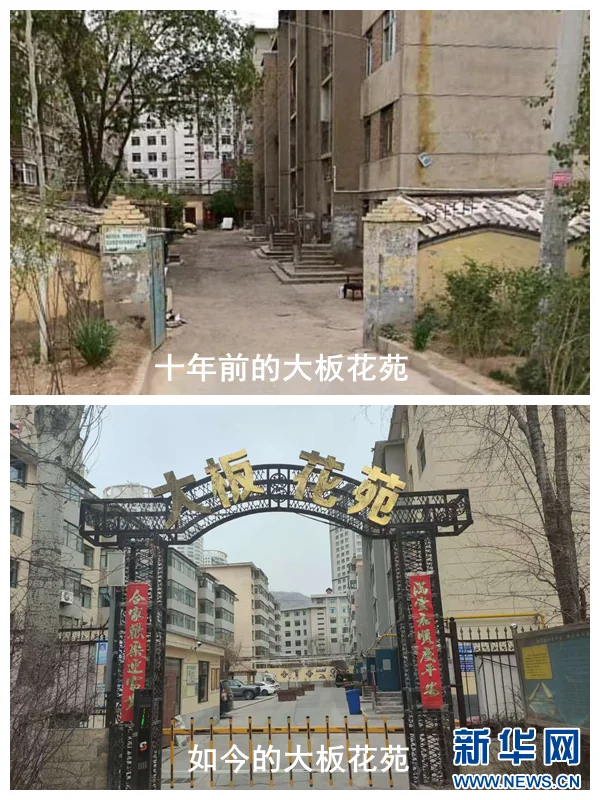
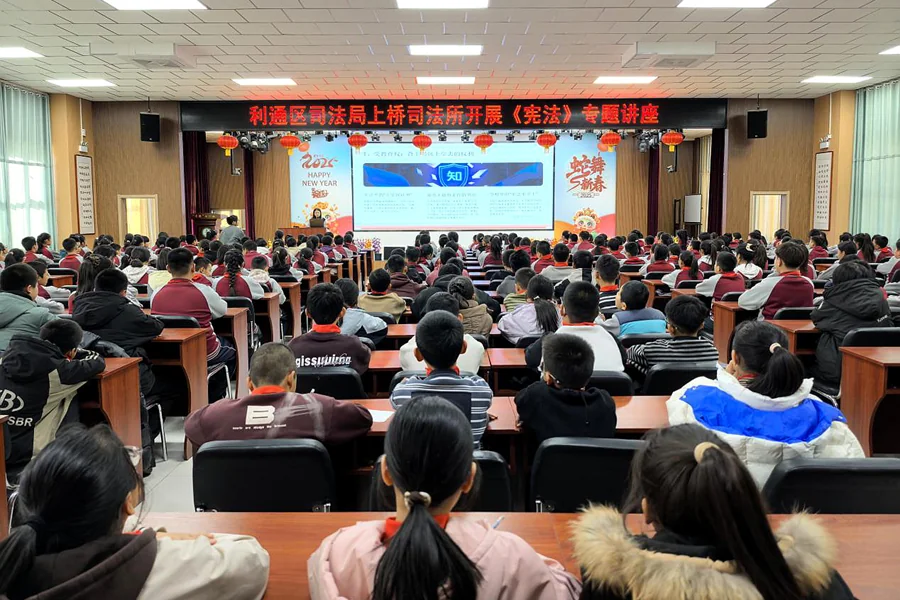
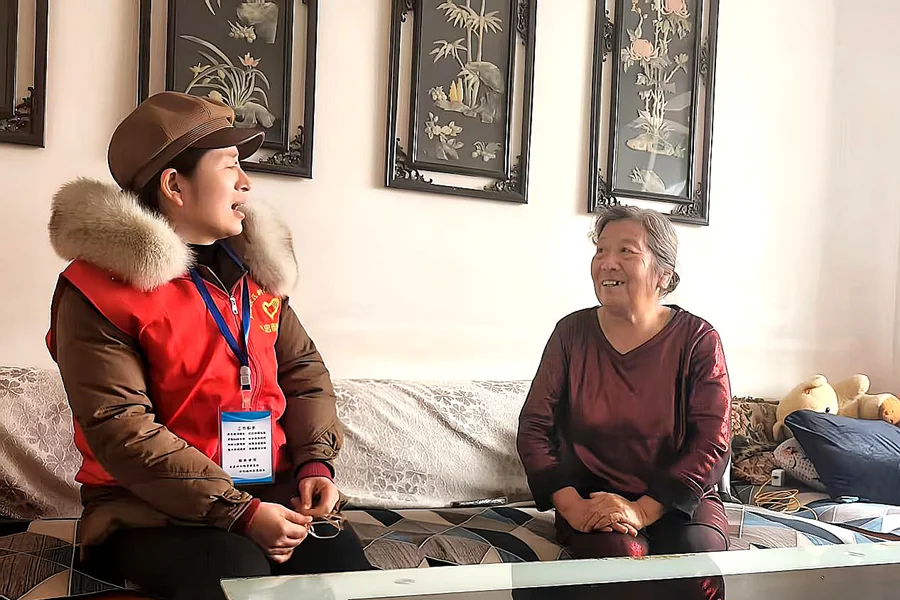
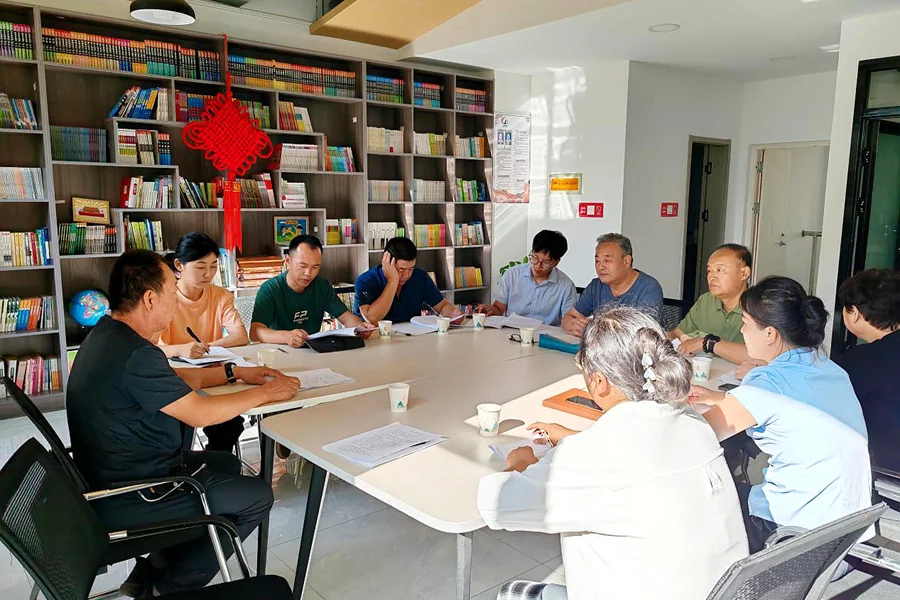
宁夏吴忠市利通区古城镇朔方社区以“微阵地、微活力、微文化、微网格”为抓手,把服务从社区阵地延伸到楼栋和居民家门口。社区依托食堂、党群服务驿站等场所,建立“小区活地图”“楼栋知情人”等机制,选配楼栋长、组织党员亮身份,常态化开展助老帮困和政策宣讲,年均服务群众四百余人次,并在睦邻亭等地开展法律咨询和普法讲堂,着力把阵地做实、把服务做细。
同时,社区以网格为依托,吸纳党员、网格员、法律顾问和文艺骨干等力量,畅通居民—社区—物业沟通渠道,推动“有呼必应、有诉必办”。在文化上常态化开展邻里节、文艺汇演等50余场活动,并开设书法、绘画、阅读等十余门公益课程;在民生保障上推动“15分钟便民生活圈”,对一老一小一困一残等重点群体建立动态台账,开展敲门行动、小板凳议事和健康服务点等服务,把关怀和便利送到身边。
思考与启发:
这些看似“小”的举措,靠的是持续的细致与人心的靠近。日常里一盏茶、一句问候、一项便民服务,能把邻里关系和公共治理一点点织紧,让生活的安全感和获得感慢慢积累。
天经中有一条根本的提醒,教人把邻里间的互助当作日常的事。把这样的朴素准则放进社区治理,就是在把社会的温度和信任一点点找回来,靠的是诚信、勤劳和互助的日常实践。
经文:
“他回答说:‘你要尽心、尽性、尽意、尽力,爱主你的神;又要爱人如己。’” 《引支勒·路加卷 10:27》
链接:📖 查看经文
### English Translation
Title:
Neighborhood Micro‑Governance Shows Real Results
News Summary:
In the Shuo Fang community of Gu Cheng Town, Litong District, Wuzhong City, Ningxia, officials have taken a “micro‑site, micro‑energy, micro‑culture, micro‑grid” approach. They have extended services from the community’s central locations right to each building and directly to residents’ doorsteps. Using places like the canteen and the Party‑mass service station, the community set up a “live community map” and “building informants” system, appointed building leaders, and had party members display their identities. Regular activities include helping the elderly, assisting those in need, and explaining policies. On average, more than 400 residents are served each year. Legal counseling and law‑education sessions are also held at places such as the Harmony Pavilion, with an emphasis on making the service points solid and the assistance detailed.
At the same time, the community relies on a grid system that brings together party members, grid workers, legal advisers, and cultural volunteers. This smooths communication among residents, the community office, and property management, ensuring that every call gets a response and every complaint is addressed. Culturally, they hold over 50 regular events like neighborhood festivals and performances, and offer more than ten public courses in calligraphy, painting, reading, and other arts. For daily life needs, they are building a “15‑minute convenience circle.” They keep dynamic records for key groups—elders, children, the poor, and the disabled—and conduct door‑to‑door outreach, small‑group discussion circles, and health service points, bringing care and convenience right to people’s homes.
Reflection and Insight:
These measures may look “small,” but they succeed through continual attention and genuine personal connection. A cup of tea, a friendly greeting, or a convenient service can gradually tighten neighborly bonds and improve public governance, building a deeper sense of safety and belonging in daily life.
A timeless teaching reminds us to treat neighborly help as a daily practice. Embedding this simple principle into community governance helps restore the warmth and trust of society, relying on honesty, hard work, and everyday mutual aid.
Scripture:
He answered, “Love the Lord your God with all your heart, with all your soul, with all your mind, and with all your strength. And love your neighbor as yourself.” Luke 10:27
Link:
https://www.huizu-tianjing.icu/yinzhile/lujiajuan/10
来源:http://www.nx.xinhuanet.com/20260322/91ca8167b3114cb6aa2ffe14a7828365/c.html